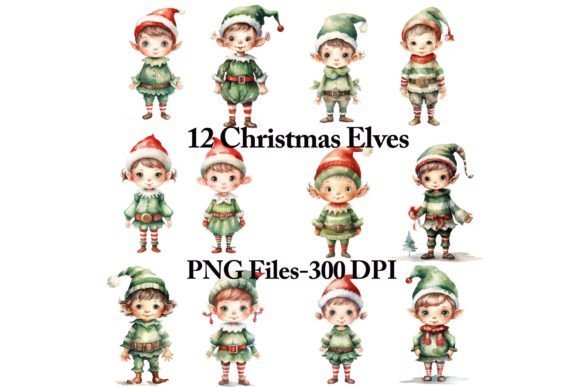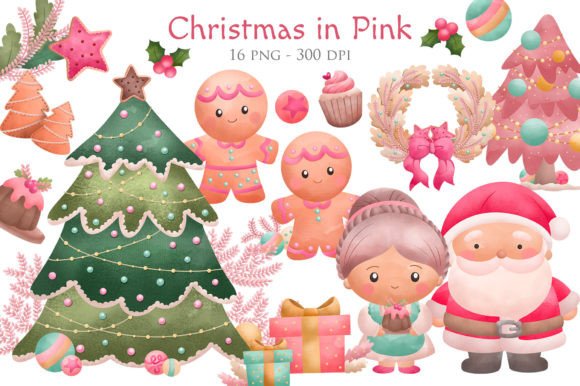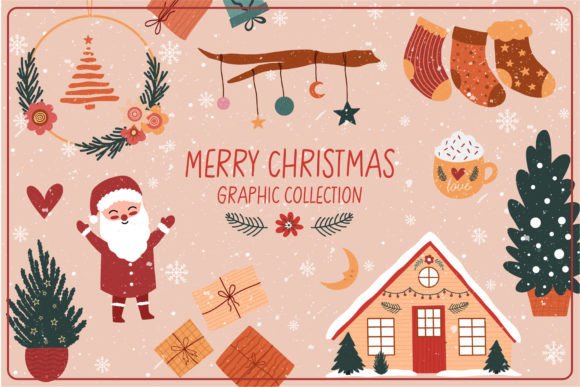
Traditional Christmas Elements: Festive Illustrations for Modern Publishing
As a digital publisher who has spent years refining the visual identity of content sites, I know that the difference between a blog post that gets ignored and one that gets shared often comes down to the graphics. Recently, I evaluated Traditional Christmas Elements with the specific intent of integrating them into a real-world editorial workflow. My goal was to determine if these Illustrations could elevate our seasonal content strategy without compromising our professional brand identity. After testing them across various formats, from newsletter headers to downloadable guides, here is my honest review on how this graphic design asset performs in a live publishing environment.
First Impressions and Editorial Mood
The moment I opened the files for Traditional Christmas Elements, the mood shifted instantly. Unlike generic clip art that often feels flat or dated, these assets carry a distinct sense of warmth and heritage. They create an editorial atmosphere that is both nostalgic and inviting. For a content creator looking to build trust with their audience during the holiday season, this design aesthetic is invaluable. It signals to the reader that the content inside is curated with care, blending a festive spirit with a polished look.
This collection naturally supports niches that value lifestyle, storytelling, and community. Whether you are writing about family traditions, holiday recipes, or thoughtful gift guides, the visual language of these illustrations bridges the gap between modern web design and classic charm. It feels less like a temporary decoration and more like a cohesive part of your brand identity. The style strikes a balance; it is decorative enough to capture attention but clean enough to maintain readability. This is crucial for publishers who need to keep their site looking professional while still embracing the holiday cheer.
Real-World Applications in Content Publishing
In my daily workflow, I constantly ask myself where a new asset fits best. Traditional Christmas Elements proved versatile enough to handle a wide array of publishing tasks. Here is how I integrated them into our actual content production pipeline:
- Featured Images and Article Headers: These illustrations work beautifully as background textures or overlay elements for hero images. They add depth to standard blog posts without overwhelming the text, creating a stronger first impression for visitors landing on the page.
- Pinterest Graphics and Social Media Posts: On platforms driven by visuals, click-through rates depend heavily on eye-catching imagery. Using these assets to frame headlines or decorate pins significantly boosted our engagement. The festive details make the content stand out in a crowded feed.
- Digital Products and Lead Magnets: I used the elements to design covers for our holiday e-books and worksheets. The high-quality vector nature of these Illustrations ensures they look crisp whether viewed on a large tablet or a small smartphone screen.
- Newsletter Banners: Email open rates often hinge on the subject line and the preview image. A custom header featuring Traditional Christmas Elements transformed our seasonal newsletter from a simple update into a branded event, encouraging higher open rates.
- Canva Templates and Affiliate Pages: For affiliate marketers, visual consistency builds credibility. I created a library of Canva templates using these assets so that our team could quickly generate social media graphics and product roundups that aligned perfectly with our website's look.
Enhancing Performance and Visual Hierarchy
One of the primary goals of any web design project is to guide the user's eye. When used correctly, Traditional Christmas Elements improve visual hierarchy by framing important information. For instance, placing a subtle wreath border around a call-to-action button draws the eye directly to the link, increasing the likelihood of a click. This level of detail supports better category recognition and helps readers navigate through dense content more intuitively.
Furthermore, consistent use of these assets strengthens our content marketing efforts. When every piece of content—from a blog post to a Pinterest pin—shares the same visual DNA, it reinforces our authority in the niche. Readers subconsciously associate this polished look with reliability, which is essential for building long-term trust. In an era where users scroll past low-quality graphics in milliseconds, having a set of professional design assets gives us a competitive edge.
Strategic Placement and Design Considerations
While these illustrations are powerful, they require strategic placement to ensure they enhance rather than distract. There are specific areas where this graphic design asset shines brightest, and others where caution is advised.
Where It Works Best:
- Hero Sections: Large, high-resolution displays allow the intricate details of the illustrations to breathe.
- Editorial Accents: Using small icons or borders to break up text blocks adds visual interest without cluttering the layout.
- Downloadable Resources: Printables and worksheets benefit from the clear lines and festive themes found in this collection.
- Social Media Previews: The vibrant yet classic colors pop well on mobile devices where most traffic originates.
Where to Use Carefully:
There are scenarios where Traditional Christmas Elements might be too busy. If your website relies on a very minimal, corporate visual system, these festive touches could feel out of place. Additionally, when designing small mobile thumbnails, avoid overcrowding the image with too many elements. If the illustration competes with the headline text, the message gets lost. Similarly, on low-contrast backgrounds, the details may become muddy. For serious professional niches like finance or legal advice, a lighter touch is necessary to maintain credibility.
Publisher Notes for Implementation
Before finalizing any design project, I recommend running a few practical tests to ensure the asset performs as expected. First, always preview the graphics on both desktop and mobile screens. A design that looks perfect on a 27-inch monitor can look cluttered on a phone. Check how the image appears as a thumbnail in search results and social feeds.
Contrast and readability are non-negotiable. Test the illustration against your chosen typography. Does it pair well with serif fonts for a classic look, or does it clash with a bold sans-serif? Try placing it beside script or handwritten fonts to see if the styles harmonize. Also, convert your design to black and white to ensure the shapes remain distinct even without color.
Finally, do not overlook technical performance. Review the file size to ensure it does not slow down your website load times. Proper compression is key for SEO and user experience. Most importantly, confirm that you have a valid commercial license before using these assets on monetized websites, affiliate pages, or paid content products. This protects your business and ensures ethical use of the creative design.
In conclusion, Traditional Christmas Elements offers a robust solution for publishers seeking to elevate their seasonal content. By integrating these Illustrations thoughtfully, you can create a cohesive, trustworthy, and visually stunning digital presence that resonates with your audience all year round.