Christmas Yorkshire Terrier Clipart for Modern Illustrations
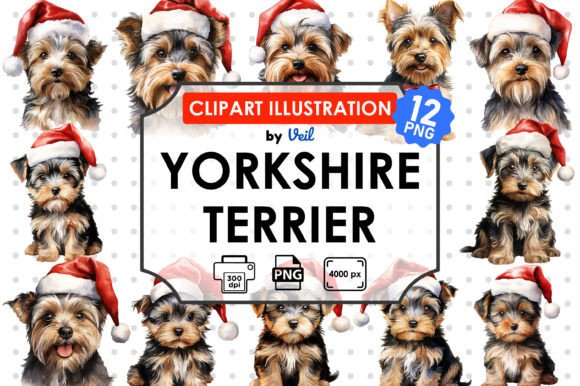
As a digital publisher who has spent years refining blog layouts and optimizing content for high engagement, I approach every new graphic design asset with a critical eye. The difference between a post that gets scrolled past and one that captures attention often comes down to the visual language used. Recently, I evaluated a seasonal collection centered around the Christmas Yorkshire Terrier Clipart to see if it could elevate our editorial strategy. This review focuses on how these Illustrations function within a real-world publishing workflow, from newsletter headers to affiliate product pages.
The First Impression: Editorial Mood and Reader Trust
When you first open a folder of design assets, the immediate question is always about the mood. Does this feel like a polished editorial piece or just a generic decoration? The Christmas Yorkshire Terrier Clipart strikes a distinct balance between playful charm and professional presentation. It avoids the overly cartoonish look that can sometimes undermine authority in serious niches, while still maintaining enough warmth to engage readers during the holiday season.
This aesthetic naturally supports lifestyle blogs, pet care websites, and family-oriented content platforms. For a publisher, this means the imagery can enhance reader trust by signaling that the brand cares about aesthetics and detail. When a visitor lands on a page featuring high-quality web design elements like these, they are more likely to perceive the content as credible. The visual hierarchy created by the clean lines and festive accents allows the text to remain the hero, ensuring that the message isn't lost in the decoration.
Real-World Publishing Applications
In my experience managing multiple content sites, versatility is key. A single asset rarely works for every purpose, but this collection fits seamlessly into various parts of a digital ecosystem. Here is how I envision integrating these graphics into a comprehensive content marketing strategy:
- Pinterest Pins and Social Media Graphics: These images are perfect for creating eye-catching thumbnails. The festive theme aligns perfectly with seasonal traffic spikes, making them ideal for driving clicks from Pinterest feeds where visual appeal dictates success.
- Newsletter Headers: Email open rates often depend on the subject line, but the header image sets the tone. Using these digital product visuals in monthly newsletters adds a personal touch that subscribers appreciate, especially during December.
- Digital Guides and Lead Magnets: If you offer a free Christmas gift guide or a printable calendar, incorporating these illustrations into the cover design elevates the perceived value of the download. It transforms a simple PDF into a premium digital download.
- Affiliate Content Visuals: For bloggers promoting holiday gifts, these graphics serve as excellent breakers between text blocks. They keep the reader engaged and visually signal a shift in topic without disrupting the flow of the article.
Enhancing Brand Identity and Click-Through Potential
Consistency is the backbone of strong brand identity. When your website features a cohesive set of creative design elements, it reinforces recognition. By using the same style of Christmas Yorkshire Terrier Clipart across your featured images, category thumbnails, and social previews, you create a unified visual system. This consistency not only looks better but also improves click-through potential because users begin to associate that specific visual style with your brand's quality.
Furthermore, these assets support better visual hierarchy. In a crowded information landscape, clear visual cues help readers navigate your site. A well-placed graphic can draw the eye to a call-to-action button or highlight a key statistic, guiding the user journey toward conversion. Whether you are designing a Canva template for your team or customizing an eBook cover, these illustrations provide the necessary polish to make your content stand out.
Strategic Placement for Maximum Impact
While these graphics are versatile, they shine brightest in specific contexts. For modern design enthusiasts, the best use cases include hero images that set the stage for holiday-themed articles. They work exceptionally well as editorial accents within long-form content, breaking up dense text and adding a layer of personality.
I also recommend using them for category visuals on your homepage. Instead of generic icons, a charming Yorkshire Terrier illustration can instantly communicate the "Pets" or "Lifestyle" section of your site. Additionally, for small business branding, these images are excellent for media kits. When pitching to advertisers or sponsors, showing that your platform uses high-quality, thematic commercial design demonstrates professionalism and attention to detail.
Critical Considerations and Limitations
Even the best design assets require strategic application. There are scenarios where the Christmas Yorkshire Terrier Clipart might not be the right fit. For instance, in small mobile thumbnails, intricate details can get lost, making the image appear muddy rather than sharp. Similarly, if your layout is already busy with complex patterns or heavy text overlays, adding another decorative element might create visual clutter rather than clarity.
Additionally, publishers in serious professional niches, such as corporate finance or legal advice, should exercise caution. While a lighthearted dog illustration might work for a sidebar ad, it may clash with the sober tone required for corporate content. Websites that rely on a very minimal visual system might find these festive elements too bold. In these cases, it is better to reserve these graphics for dedicated seasonal campaigns rather than permanent site elements.
Practical Publisher Notes for Implementation
Before committing to a full rollout, there are several technical and aesthetic checks you must perform. First, test the asset on both desktop and mobile screens. How does it scale? Does it retain its clarity when shrunk down to a 300-pixel wide banner? Previewing the image inside a real blog layout is crucial to ensure it doesn't overwhelm the typography.
You should also experiment with contrast and readability. Place the image beside different font styles to see how they interact. Try pairing it with a serif font for a classic look, a sans-serif font for a modern edge, or even a script font for a handwritten feel. Check how the colors hold up in black and white, as some printers or screen readers may convert them. Finally, verify the file size for web performance. Large images can slow down your site, hurting SEO rankings, so compress them properly before uploading.
Most importantly, confirm your commercial license. If you are using these graphics on monetized websites, affiliate pages, or paid content products, you must ensure you have the right to use them commercially. Purchasing from a reputable creative marketplace usually guarantees this, but double-checking protects your business from legal issues.
Final Thoughts on Seasonal Design Assets
The Christmas Yorkshire Terrier Clipart offers a compelling option for publishers looking to refresh their visual identity during the holidays. It bridges the gap between festive fun and professional execution, making it suitable for a wide range of content types. By thoughtfully integrating these Illustrations into your website header, social media posts, and downloadable resources, you can create a more engaging and trustworthy online presence. As a designer, I find that the right graphic asset does more than just decorate; it communicates value and invites the reader to stay longer. Use these tools wisely, and they will significantly enhance your content publishing efforts.